

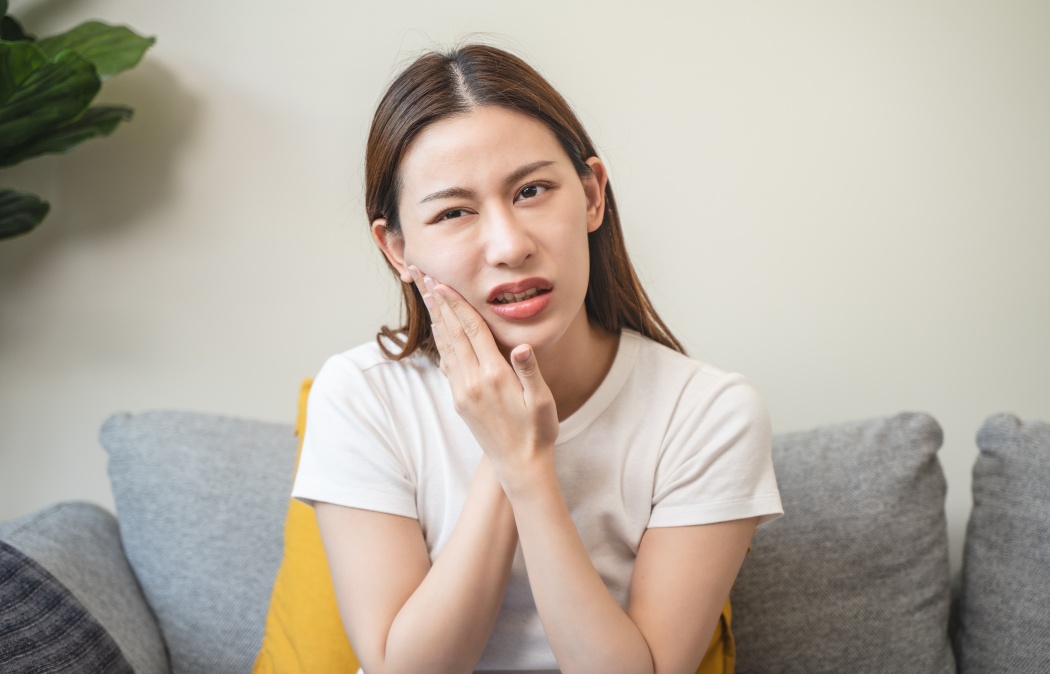
You brush twice a day, floss regularly, and never skip a dental checkup—yet you’re still waking up with a sore jaw, dull headaches, or teeth that feel sensitive for no apparent reason. If this sounds familiar, there’s a strong chance you’re grinding your teeth while you sleep. Known clinically as bruxism, nighttime teeth grinding affects an estimated 10 to 15 percent of adults and often goes undiagnosed for years. At Grateful Dental in Marietta, we see the effects of bruxism regularly—and we know how much relief the right treatment can bring.
What Exactly Is Bruxism?
Bruxism is the involuntary grinding, gnashing, or clenching of teeth. It can happen during the day (awake bruxism) or at night (sleep bruxism), though the nighttime variety tends to cause more damage because you’re unaware it’s happening. During sleep, the forces generated by grinding can be significantly stronger than normal chewing—sometimes reaching up to 250 pounds of pressure. Over time, that kind of stress takes a serious toll on your teeth, jaw, and overall oral health.
Many people don’t realize they grind their teeth until a dentist notices the telltale signs during an exam or a sleep partner mentions hearing the sounds at night. Because it happens unconsciously, bruxism can persist for months or years before symptoms become severe enough to prompt investigation.
Signs You Might Be Grinding Your Teeth
Since most grinding happens during sleep, you may need to look for indirect clues. Common signs of bruxism include:
- Morning Jaw Pain or Stiffness: waking up with soreness in your jaw muscles or difficulty opening your mouth fully
- Frequent Headaches: dull, tension-type headaches that start at the temples, often worse in the morning
- Worn or Flattened Teeth: teeth that appear shorter, have flat biting surfaces, or show unusual wear patterns
- Chipped or Cracked Enamel: damage that can’t be explained by injury or biting something hard
- Increased Tooth Sensitivity: discomfort when eating hot, cold, or sweet foods due to enamel erosion
- Ear Pain Without Infection: aching near the ears caused by jaw muscle tension rather than an actual ear problem
- Disrupted Sleep: restless nights or a partner who reports hearing grinding sounds
If you’re experiencing several of these symptoms, it’s worth scheduling an evaluation. Dr. Leia Porcaro can examine your teeth and jaw for signs of grinding and recommend appropriate next steps.
What Causes Teeth Grinding?
There’s no single cause of bruxism, but several factors increase your risk. Stress and anxiety are among the most common triggers—when life feels overwhelming, that tension often manifests physically, including in your jaw. Many Cobb County residents notice their grinding worsens during particularly stressful periods at work or home.
Other contributing factors include sleep disorders like sleep apnea, misaligned teeth or an abnormal bite, certain medications (particularly some antidepressants), excessive caffeine or alcohol consumption, and lifestyle habits like smoking. In some cases, bruxism runs in families, suggesting a genetic component. Understanding your personal triggers can help guide treatment, though protecting your teeth remains important regardless of the underlying cause.
The Damage Grinding Can Cause
Left untreated, chronic teeth grinding leads to progressive damage that becomes increasingly expensive and complicated to repair. Enamel—the hard outer layer protecting your teeth—wears down gradually, exposing the softer dentin underneath. This leads to heightened sensitivity, increased cavity risk, and teeth that look visibly shorter or flattened.
Severe grinders may crack or fracture teeth, sometimes requiring crowns, root canals, or even extractions. Existing dental work like fillings and crowns can fail prematurely under the constant pressure. The jaw joint itself can suffer, potentially developing into temporomandibular joint disorder (TMD) with symptoms like clicking, popping, or limited jaw movement. Addressing bruxism early prevents this cascade of complications.
How a Custom Night Guard Helps
The most effective frontline treatment for nighttime bruxism is a custom-fitted night guard, also called an occlusal splint. Unlike the one-size-fits-all versions sold in drugstores, a professional night guard is crafted from impressions of your teeth, ensuring a precise fit that’s comfortable enough to wear every night.
The guard creates a protective barrier between your upper and lower teeth, absorbing and distributing the forces of grinding. It doesn’t stop the grinding reflex itself, but it prevents your teeth from making direct contact—eliminating the damage that would otherwise occur. Many patients also report reduced jaw pain and fewer headaches once they begin wearing a night guard consistently.
At Grateful Dental, the process is straightforward. Dr. Porcaro takes impressions of your teeth, and your custom guard is fabricated to fit your unique bite. Once it’s ready, you’ll return for a fitting to ensure comfort and proper alignment. With proper care, a quality night guard can last several years.
Additional Strategies for Managing Bruxism
While a night guard protects against damage, addressing contributing factors can reduce grinding frequency and intensity:
- Stress Management: techniques like meditation, deep breathing, yoga, or regular exercise help lower overall tension
- Limit Stimulants: reducing caffeine and alcohol, especially in the evening, may decrease nighttime grinding
- Jaw Relaxation Exercises: consciously relaxing your jaw throughout the day and before bed can help break the clenching habit
- Sleep Hygiene: maintaining a consistent sleep schedule and creating a relaxing bedtime routine supports better rest
- Warm Compresses: applying heat to sore jaw muscles can ease discomfort and promote relaxation
If an underlying sleep disorder is suspected, your dentist may recommend a sleep study to rule out conditions like sleep apnea, which often co-occurs with bruxism.
Find Relief at Grateful Dental in Marietta
Teeth grinding doesn’t have to control your mornings or compromise your smile. With proper diagnosis and a custom night guard, most patients experience significant relief from pain and protect their teeth from further damage. Dr. Leia Porcaro and the caring team at Grateful Dental have helped countless East Cobb families address bruxism and restore comfort to their daily lives.
If you’re waking up with jaw pain, headaches, or other signs of grinding, don’t wait for the damage to worsen. Call Grateful Dental today at (678) 593-2979 to schedule an evaluation. Our Marietta office on Powers Ferry Road is ready to help you sleep better and smile with confidence.